Reviews
Overview
The director transferred three pieces of the great composer to the screen, each with a different stylistic setting: the romantic nocturne was illustrated with images of nature; the exuberant Mazurka F minor, with a folk dance performed by Russian Ballet artists. The most interesting conception of the Revolutionary Etude had elements of abstract interplay of shapes and lights interspersed with takes of explosions, shouting faces distorted with a grimace, planes, and flames burning down symbolic icons of Polishness. Color Studies of Chopin was a propaganda film to lift the spirits and hearts of Poles in exile and at the same time to win over other nations’ sympathy for the Polish cause. To this end Cękalski roped in Olin Downes, a popular radio presenter and music critic, who overdubbed the beginning with a preface.
Other films by Eugeniusz Cekalski
Viewers Also Enjoyed
The Work of Director Michel Gondry
Rolling Thunder Revue: A Bob Dylan Story by Martin Scorsese
The Decline of Western Civilization Part III

The Devil and Daniel Johnston

Thirty Two Short Films About Glenn Gould

I Am Easy to Find
The Last Waltz
Coyote Ugly
Justin Bieber's Believe
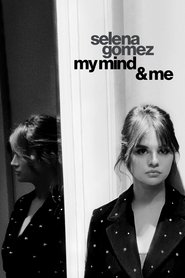
Selena Gomez: My Mind & Me
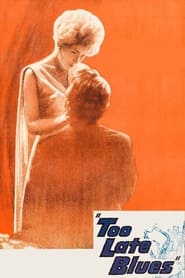
Too Late Blues
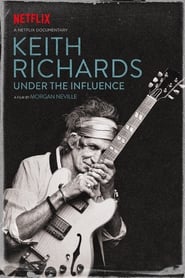
Keith Richards: Under the Influence