Reviews
Overview
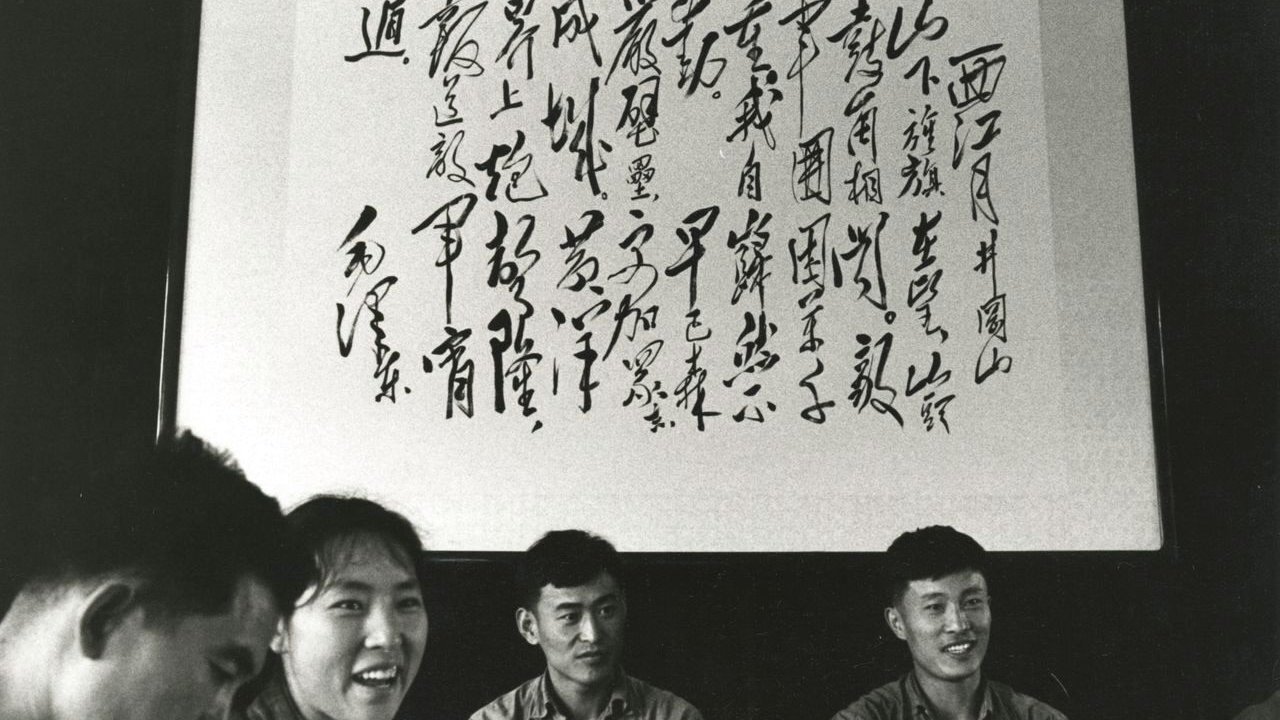
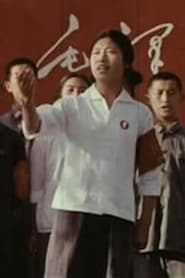
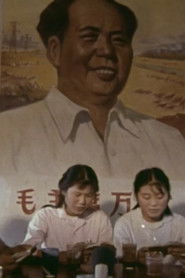
Mao Zedong was not only a revolutionary leader and thinker, he was also a poet. In poems written in the classic calligraphic tradition he expresses his experiences and visions. In this film, 8 of Mao's poems are sung, recited and interpreted: 'Changsha' (1925), 'Jinggang Mountains' (1928), 'The Long March' (1935), 'Snow' (1936), 'The People's Liberation Army Captures Nanjing' (1949), 'Swimming' (1956), 'Reply to Comrade Guo Moruo' (1961) and 'Reascending Jinggang Mountains' (1965). Through these poems we get a picture of the Chinese revolution from its first beginning in 1921 until the Cultural Revolution. The poems of Mao Zedong have been published in more than 57 million copies
Viewers Also Enjoyed
Benares Chungking Ichang
Waiting for the Sun
Mao Tse Tung: China's Peasant Emperor
Visions Cinema: Film as a Way of Life: Hong Kong Cinema - A Report by Tony Rayns
The Shaolin Kid: A Boy In China
Fruit Farm

Tibet: The Survival of the Spirit
I Am Big Bird: The Caroll Spinney Story

Historias de las montañas de la bruma
Red Guards after The Cultural Revolution
Draussen bleiben
How China Got Rich